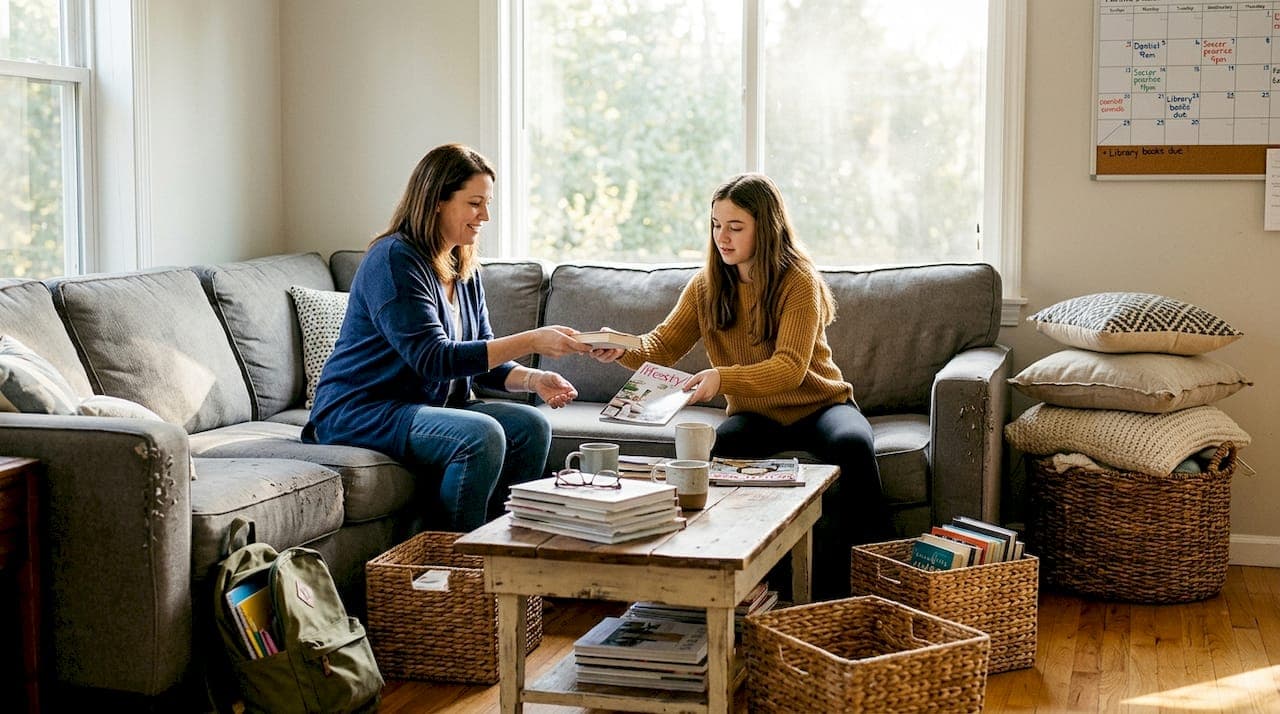
Clutter overwhelms more than half of American homeowners, creating stress and reducing daily efficiency in their living spaces. You need practical, research-backed strategies that fit your lifestyle, not generic advice copied from social media. This guide delivers actionable home organization tips grounded in expert research and real-world success, helping you create systems that actually stick. You'll learn how to declutter methodically, maintain order with simple daily habits, and customize solutions for your busiest rooms. Transform your home into an organized, functional space that supports your family's routines and reduces everyday chaos.
Table of Contents
- Set Clear Criteria For Effective Home Organization
- Master Decluttering: The 4-Box Method And Room Priorities
- Compare Top Practical Organization Tips To Maintain Order Daily
- Tailor Your Home Organization System For High-Traffic Rooms And Family Habits
- Discover Simple Tools To Keep Your Home Organized Year-Round
- How Often Should I Declutter My Home To Maintain Organization?
- What Are The Best Storage Solutions For Small Spaces In Busy Homes?
- How Can I Get My Family Involved In Maintaining Home Organization?
- Are There Any Quick Daily Habits To Prevent Clutter From Accumulating?
Key takeaways
| Point | Details |
|---|---|
| Declutter first | Use the 4-box method to eliminate items before organizing to prevent clutter rebound |
| Prioritize rooms | Start with high-traffic areas like kitchens using frequency-of-use zoning for maximum impact |
| Daily maintenance | Implement 15-minute reset routines to sustain order and prevent 80% of clutter return |
| Customize systems | Tailor organization methods to your household's unique habits and daily workflows |
Set clear criteria for effective home organization
Your home organization system must align with how your family actually lives, not how Instagram influencers stage their pantries. Avoid copying others' systems because what works for a minimalist couple won't suit a family with three kids and two home offices. Start by observing your household's natural patterns for a week. Where do backpacks land after school? Which kitchen items do you grab every morning?
Prioritize drop zones near entry points to capture clutter before it spreads throughout your home. A basket by the front door for keys and mail prevents these items from migrating to countertops and tables. Position frequently used items at eye level in cabinets and closets, while seasonal or rarely needed belongings can occupy higher or lower storage spaces. This frequency-of-use zoning reduces the time you spend searching for everyday essentials.
Avoid overcomplicating your systems, especially if you have young children or busy schedules. Complex labeling schemes and multi-step sorting processes create friction that leads to abandoned routines. Simple is sustainable. A clear bin labeled "snacks" beats an elaborate categorization system that nobody maintains after the first week.
Plan vertical space utilization to maximize storage capacity without expanding your home's footprint. Wall-mounted shelves, over-door organizers, and stackable containers transform unused vertical areas into functional storage. This approach proves particularly valuable in smaller homes where floor space comes at a premium.
Pro Tip: Link your organization overhauls with home upkeep service reminders so seasonal maintenance tasks trigger corresponding decluttering sessions, creating a natural rhythm for keeping spaces tidy year-round.
Master decluttering: The 4-box method and room priorities
The 4-box method reduces decision fatigue by requiring you to make one-touch decisions for each item you handle. Label four boxes: keep, donate, trash, and relocate. Pick up an item once, decide its fate immediately, and place it in the appropriate box. No "maybe" pile allowed because that becomes a procrastination zone where clutter lives indefinitely.

Tackle rooms strategically by starting with kitchen decluttering, then moving to bathrooms, closets, and living areas based on usage frequency. Kitchens generate the most daily activity and clutter, so organizing this space first delivers immediate quality-of-life improvements. You'll notice reduced stress during meal prep and cleanup when every tool has a designated home.
Set focused time blocks of three to four hours for each room's decluttering session. Shorter sessions leave tasks unfinished, while marathon organizing days lead to burnout and poor decisions. Schedule these blocks when you have uninterrupted time, not squeezed between other commitments. Turn off phone notifications and commit fully to the process.
Clutter overload directly impacts mental well-being and daily efficiency, creating a constant low-level stress that drains energy even when you're not actively thinking about the mess.
Zone your storage by grouping items according to how often you use them:
- Daily items go in prime real estate at eye level and within arm's reach
- Weekly items occupy accessible but secondary locations like lower shelves
- Monthly or seasonal items belong in harder-to-reach spots like top shelves or basement storage
- Rarely used items can live in labeled bins in the garage or attic
Pro Tip: Connect your decluttering schedule with your home service booking workflow so you can coordinate deep cleaning services right after major decluttering sessions, maximizing the fresh-start impact.
Compare top practical organization tips to maintain order daily
Maintaining organization requires different strategies than achieving it initially. 80% of clutter returns within six months without daily maintenance habits, making your initial effort worthless if you skip this crucial step. Small daily habits transform cluttered homes and reduce the stress that accumulates alongside physical mess.
| Method | Best For | Time Investment | Sustainability |
|---|---|---|---|
| 15-minute daily reset | Busy families | 15 min/day | High with family participation |
| Weekly checklist system | Detail-oriented individuals | 30 min/week | Medium, requires discipline |
| Zone maintenance rotation | Large homes | 20 min/day | High, distributes effort |
| One-touch rule | Everyone | Ongoing habit | Very high once established |
The 15-minute daily reset prevents clutter backlog by addressing messes before they compound. Set a specific time, such as after dinner or before bed, when everyone spends 15 minutes returning items to their designated homes. This habit becomes automatic within three weeks and eliminates the need for overwhelming weekend cleanup marathons.
Weekly checklist methods work well if you prefer structured routines. Create a simple checklist covering high-traffic areas: kitchen counters cleared, mail sorted, entryway organized, living room tidied. Check off each item once weekly to maintain baseline order. This approach suits people who thrive on visible progress tracking.
Storage labeling supports maintenance by eliminating guesswork about where items belong. Use clear, simple labels that even young children can read or understand through pictures. When everyone knows exactly where scissors, batteries, or snacks live, items naturally return to their proper places.
Pro Tip: Schedule your daily resets to align with natural transition points in your routine, like after kids finish homework or when you're winding down for the evening, so the habit piggybacks on existing patterns rather than requiring new willpower.
Encourage family participation by assigning age-appropriate zones to each household member. A five-year-old can manage toy bins, while teenagers handle their own bedroom maintenance and shared bathroom areas. When everyone owns specific spaces, accountability increases and resentment about "doing all the work" decreases. Link these routines with home services for U.S. homeowners to create a comprehensive home management approach.
Tailor your home organization system for high-traffic rooms and family habits
Homeowners benefit most by organizing high-traffic zones like kitchens and pantries because these areas impact daily workflows most significantly. Your kitchen organization should reflect your cooking style, family size, and meal patterns, not generic Pinterest boards. If you meal prep on Sundays, dedicate counter space and storage specifically for that weekly ritual.
Identify your household's unique high-traffic zones by tracking movement patterns for several days. Most families have three to five critical areas: kitchen, main bathroom, entryway, and primary living space. These zones accumulate clutter fastest and benefit most from customized organization solutions. Focus your energy here before tackling guest rooms or seasonal storage areas.
Implement frequency-of-use zoning for quick retrieval of daily essentials:
- Coffee supplies, breakfast items, and lunch-packing materials in one accessible kitchen zone
- School bags, shoes, and outerwear near the door you actually use most often
- Remote controls, charging cables, and entertainment items in living room baskets
- Toiletries and morning routine items at eye level in bathroom cabinets
| Focus Area | Primary Benefit | Time Investment | Maintenance Level |
|---|---|---|---|
| Kitchen zones | Faster meal prep | 4-6 hours initial | 10 min daily |
| Entryway drop zone | Prevents clutter spread | 2-3 hours initial | 5 min daily |
| Bathroom organization | Smoother morning routines | 3-4 hours initial | 5 min weekly |
| Living room stations | Reduced visual clutter | 2-3 hours initial | 10 min daily |
Create family-specific drop zones that match how people actually enter and move through your home. If everyone uses the garage door instead of the front entrance, build your drop zone there with hooks for bags, a shoe rack, and a mail sorting station. Fighting natural traffic patterns creates friction that dooms even well-designed systems.
Pro Tip: Involve family members in designing their personal organization zones so they feel ownership over the system and maintain it more consistently, and use home upkeep reminders to prompt seasonal reorganization of these high-traffic areas.
Discover simple tools to keep your home organized year-round
Maintaining an organized home extends beyond decluttering and storage solutions. You need integrated systems that support both your physical space organization and the ongoing maintenance your home requires. The Simple Service App helps you manage home upkeep tasks alongside your organization routines, creating a comprehensive approach to home management.

Consider how home service reminders can trigger corresponding organization tasks. When your HVAC maintenance reminder pops up, use that as a cue to declutter the utility room and organize seasonal items. This integration prevents organization from becoming an isolated project that competes with other home responsibilities. Instead, it becomes part of your natural home care rhythm, making sustainability effortless.
How often should I declutter my home to maintain organization?
Schedule comprehensive decluttering sessions quarterly or seasonally to prevent buildup before it becomes overwhelming. These sessions let you reassess what you're keeping and adjust your systems as your family's needs evolve. Spring and fall naturally prompt many homeowners to refresh their spaces, making these ideal times for deeper decluttering work.
Regular 15-minute daily resets maintain order between major decluttering sessions. These quick tidying routines prevent the gradual accumulation that leads to clutter creep. When you address small messes immediately, you avoid the need for emergency weekend cleanup marathons that disrupt your schedule and create stress.
What are the best storage solutions for small spaces in busy homes?
Use vertical storage and multi-use furniture to maximize limited square footage without sacrificing functionality. Wall-mounted shelves, over-door organizers, and furniture with built-in storage transform unused vertical space into practical storage areas. Ottoman storage benches and beds with drawers underneath provide hidden storage that keeps small spaces feeling open and uncluttered.
Create designated drop zones near entry points to manage daily clutter efficiently before it spreads throughout your home. Even a small wall-mounted organizer with hooks and a mail slot prevents the chaos of scattered belongings. Follow organizing small spaces workflow principles to optimize every inch of available space.
How can I get my family involved in maintaining home organization?
Assign simple, age-appropriate tasks to each family member so everyone contributes to household order. Young children can manage toy bins and book shelves, while older kids handle their own closets and shared bathroom maintenance. Clear expectations and consistent routines build habits that last into adulthood.
Use clear labels and visible storage systems to encourage independent tidying without constant supervision. When a six-year-old can see picture labels on toy bins or a teenager knows exactly which shelf holds clean towels, they can maintain organization without asking for help. Transparency in your systems reduces the mental load on whoever typically manages household organization.
Are there any quick daily habits to prevent clutter from accumulating?
Establish a consistent daily reset time for tidying high-traffic areas and returning items to their designated homes. 15-minute daily reset routines prevent 80% of clutter rebound by addressing messes before they compound into overwhelming projects. Choose a time that fits naturally into your existing schedule, like after dinner or before bed, so the habit sticks without requiring extra willpower.
Involve your whole household in these daily resets to distribute the work and build collective responsibility for shared spaces. When everyone participates for just 15 minutes, the burden feels manageable and spaces stay consistently tidy. Connect these routines with daily home upkeep reminders to create automatic triggers that prompt action without requiring you to remember constantly.
Recommended
- Simplify your home service booking workflow in 2026
- Types of home services for U.S. homeowners in 2026
- Top 5 SimpleAppsOK Alternatives 2026
- Why set service reminders: save money on home upkeep
- Mastering Organising Small Spaces Workflow for Urban Homes – Homable
- Home Decor Guide 2026: Transform Your Urban Space Easily – New Way Ref