
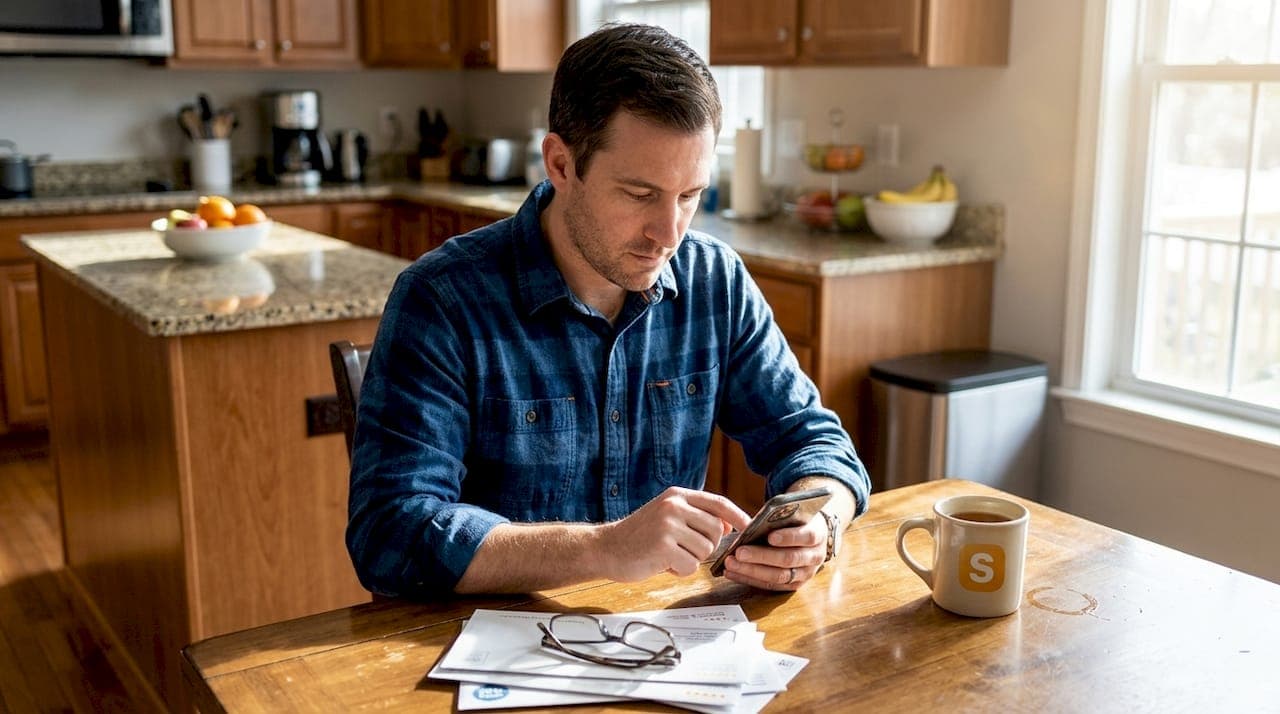
You've probably spent hours scrolling through online reviews before hiring a plumber or electrician. You're not alone. 73% of US homeowners read online reviews during home service research, but here's the twist: only 12% use reviews as their primary decision factor. Most homeowners actually trust other signals more when making final choices. This guide reveals what reviews really tell you, how to spot fake ones, and what other factors matter more when booking home services.
Table of Contents
- Key takeaways
- Why homeowners read reviews but trust other factors more
- How to interpret review scores and trustworthiness
- Bias and fairness in review systems for home services
- Balancing reviews with personal experience and referrals
- How The Simple Service app helps you choose trusted home services
- FAQ
Key Takeaways
| Point | Details |
|---|---|
| Reviews as screening tool | They help you quickly filter out providers with patterns of no shows, shoddy work, or poor communication. |
| Trust and price matter | After a minimum threshold such as four stars and twenty reviews, focus shifts to responsiveness, transparent pricing, and demonstrated expertise. |
| Recency matters most | 74 percent prioritize recent feedback and look for consistent reviews from the past three to six months. |
| Watch for fake reviews | About 14 percent of Google home service reviews are suspicious or fake, so read the three star and four star reviews first for honest, detailed feedback. |
Why homeowners read reviews but trust other factors more
Reviews act as your first line of defense, not your final verdict. When you're searching for a contractor, you'll likely check their star rating and scan a few comments to confirm they're not a disaster waiting to happen. But once a provider clears your minimum threshold, say 4 stars and at least 20 reviews, other factors like trust and price become far more influential in your actual booking decision.
Think of reviews as a screening tool rather than a recommendation engine. They help you quickly eliminate providers with consistent complaints about no-shows, shoddy work, or poor communication. After that initial filter, most homeowners shift their focus to how quickly a contractor responds to inquiries, whether their pricing feels transparent, and if they demonstrate genuine expertise during initial conversations. These trust signals often outweigh what strangers said online months ago.
The disconnect between reading reviews and relying on them reveals something important about human decision making. We want social proof that we're not making a terrible mistake, but we ultimately trust our own judgment and direct interactions more. When a contractor answers your questions thoroughly, provides a detailed estimate, and shows up on time for a consultation, those experiences carry more weight than a collection of star ratings.
Pro Tip: Set a minimum review threshold (like 4+ stars with 15+ reviews) to filter out clearly problematic providers, then focus your energy on evaluating responsiveness and communication quality. This approach saves time while keeping you protected from the worst options.
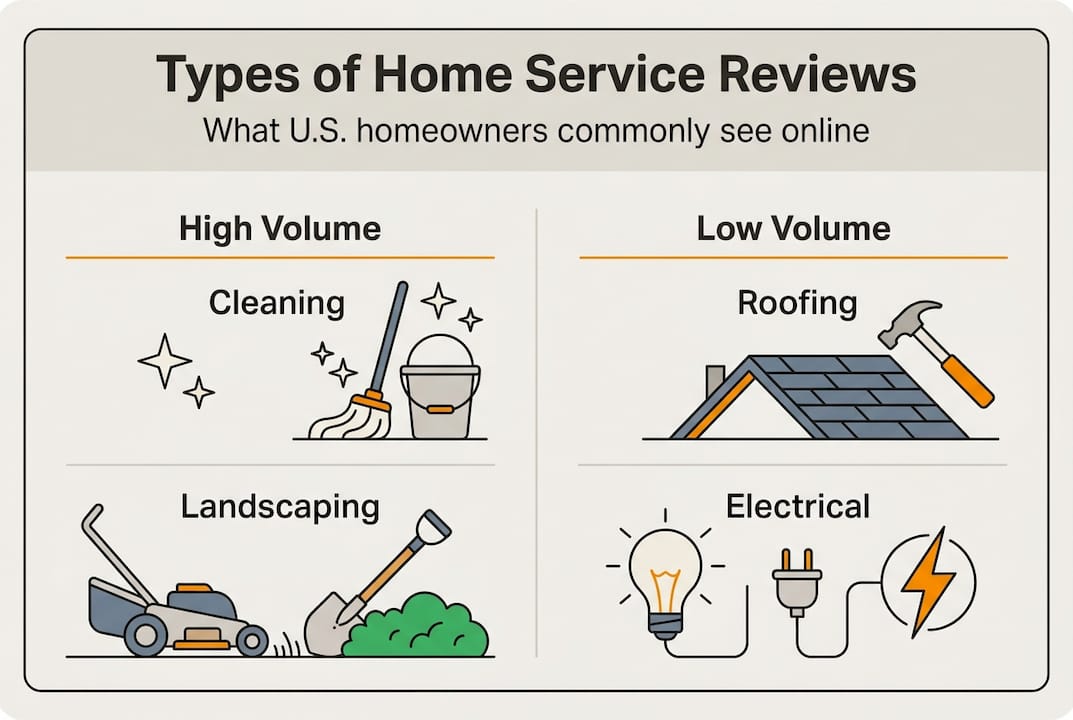
Understanding the various types of home services for U.S. homeowners helps you recognize which services typically have more reviews available and which might require heavier reliance on referrals due to limited online feedback.
How to interpret review scores and trustworthiness
Star ratings create powerful first impressions, but they're not all created equal. Research shows that 31% of consumers only use businesses with 4.5+ stars, while 47% avoid businesses with fewer than 20 reviews. These thresholds exist because consumers instinctively understand that a single 5-star review means almost nothing, but 50 reviews averaging 4.6 stars tells a more reliable story.
Recency matters enormously when evaluating reviews. A contractor with a 4.8-star average from three years ago might have changed ownership, lost key staff, or let quality slip. That's why 74% of consumers prioritize recent reviews when making decisions. Look for consistent feedback from the past 3 to 6 months to get an accurate picture of current service quality.
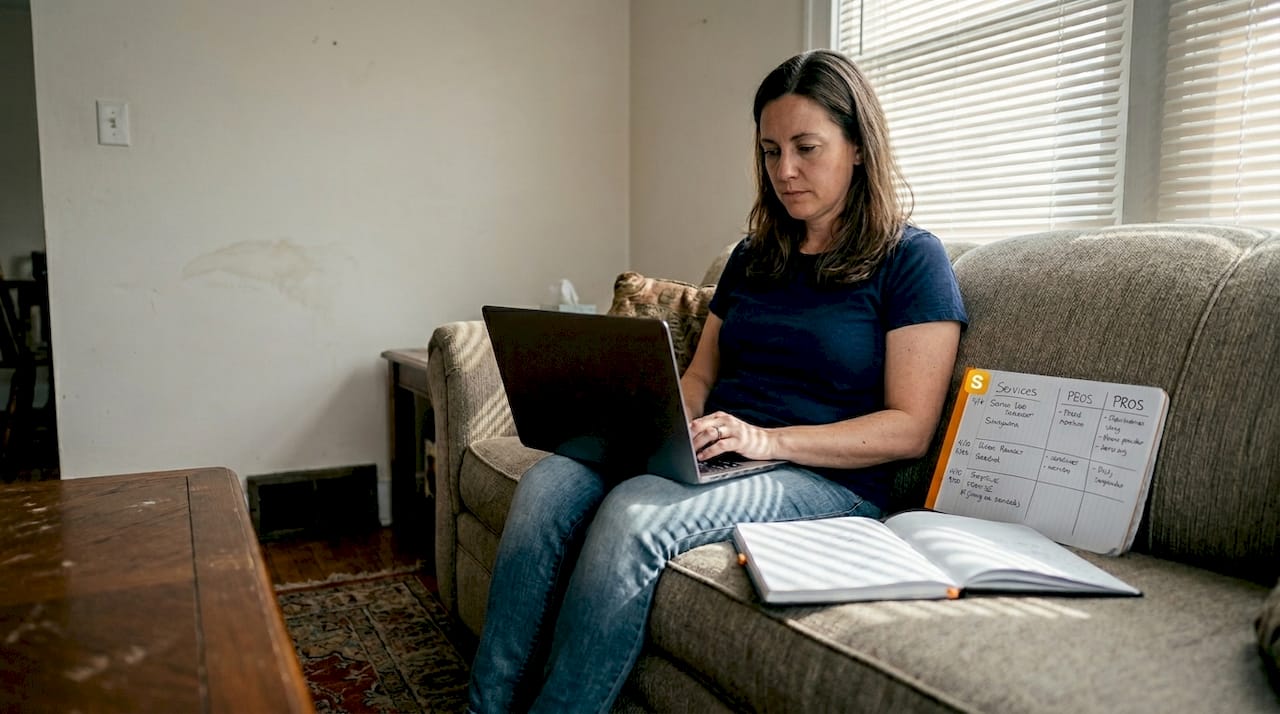
The fake review problem has grown more sophisticated and widespread. Studies indicate that roughly 14% of Google reviews in home services are highly suspicious or fake. These fabricated reviews can artificially inflate ratings, mislead consumers, and reward dishonest providers while punishing legitimate ones who don't game the system.
| Trustworthy reviews | Suspicious reviews |
|---|---|
| Specific details about the service performed | Vague praise like "great service" or "highly recommend" |
| Balanced feedback mentioning minor issues | Exclusively 5-star ratings with no constructive criticism |
| Varied writing styles and lengths | Similar phrasing or sentence structures across multiple reviews |
| Spread out over time | Clusters of reviews posted within days of each other |
| Reviewer profiles with history | New accounts with only one review |
Pro Tip: Read the 3-star and 4-star reviews first. These typically contain the most honest, detailed feedback about what the provider does well and where they fall short. Perfect 5-star reviews often lack useful specifics, while 1-star reviews may reflect unrealistic expectations or isolated incidents.
When you're ready to move forward with booking, understanding your home service booking workflow helps you organize the information you've gathered from reviews into actionable next steps.
Bias and fairness in review systems for home services
Traditional 5-star rating systems harbor a troubling hidden flaw: they can enable racial discrimination in ways that simpler rating methods don't. Recent research demonstrates that 5-star scales enable racial discrimination by giving reviewers granular options to express subtle biases, while binary thumbs up or thumbs down systems significantly reduce this discriminatory behavior.
The mechanism behind this bias is subtle but powerful. When reviewers can choose between 1 and 5 stars, they might give a minority-owned business 3 or 4 stars for work they'd rate 5 stars from a white-owned business. These small rating differences accumulate across many reviews, systematically disadvantaging certain providers without any single review appearing overtly racist. The granularity of the scale provides cover for bias that reviewers might not even consciously recognize in themselves.
Binary rating systems strip away this camouflage. When you can only say yes or no, recommend or don't recommend, the decision becomes more clear-cut. You either found the service acceptable or you didn't. This simplification doesn't eliminate all bias, but it dramatically reduces the opportunity for subtle discrimination to masquerade as legitimate quality assessment.
"Rating systems that force clearer choices remove the middle ground where unconscious bias often hides. When you can't give a 3.5-star rating, you have to decide whether the service truly met your needs or it didn't."
As a consumer, you can account for this bias in several ways:
- Look beyond the overall star rating to read actual review content and assess whether criticism seems legitimate or potentially biased
- Pay attention to review patterns, if minority-owned businesses in your area consistently receive slightly lower ratings despite similar service descriptions, bias may be at play
- Consider supporting platforms that use simpler rating systems or that actively work to identify and counteract discriminatory review patterns
- Recognize that a 4.2-star rating for a minority-owned business might represent the same quality level as a 4.6-star rating for a white-owned business
This awareness doesn't mean you should ignore reviews entirely, but it does mean you should read them critically and recognize that the numbers don't always tell an objective story about service quality.
Balancing reviews with personal experience and referrals
Relying exclusively on online reviews creates blind spots in your decision making process. Reviews capture what happened to other people in different circumstances, but they can't predict how a provider will handle your specific situation. Smart homeowners blend multiple information sources to build a complete picture before committing to a contractor.
Personal referrals from friends, family, or neighbors who've used a service recently carry unique weight because you know the person making the recommendation. You understand their standards, their tolerance for problems, and whether they're generally easy or hard to please. When your detail-oriented neighbor who redid their kitchen last year recommends an electrician, that single referral might tell you more than 50 anonymous online reviews.
Direct interactions with providers reveal crucial information that reviews never capture. How quickly does the contractor respond to your initial inquiry? Do they ask thoughtful questions about your project? Does their estimate include clear line items or vague lump sums? These signals about professionalism, communication style, and transparency help you assess whether you'll have a good working relationship, which matters enormously when someone is working in your home for days or weeks.
The danger of fake reviews extends beyond just inflated ratings. Research shows that short-term fake review boosts cause long-term sales drops because disappointed consumers who were misled by fraudulent reviews leave genuinely negative feedback later. This creates a cycle where dishonest providers eventually get caught, but not before wasting the time and money of multiple homeowners.
Data confirms that homeowners prioritize responsiveness and service experience over reviews once basic quality thresholds are met. This means your evaluation process should shift focus after the initial review screening:
| Information source | Strengths | Limitations | Best used for |
|---|---|---|---|
| Online reviews | Quick filtering, pattern identification | Potential bias, fake reviews, outdated info | Initial screening to eliminate poor providers |
| Personal referrals | Trusted source, relevant context | Limited sample size, different standards | Validation and shortlist building |
| Direct inquiries | Real-time responsiveness, communication style | Time intensive, no track record | Final decision between qualified candidates |
| Provider website | Credentials, insurance, service details | Self-reported, marketing focused | Verifying basics like licensing and insurance |
Pro Tip: Test responsiveness by asking a specific question about your project in your initial contact. Contractors who provide detailed, helpful answers quickly are signaling how they'll communicate throughout your project. Vague responses or delays of several days often predict future frustration.
Setting up service reminders save money by helping you maintain relationships with reliable providers you've already vetted, reducing the need to repeat the review and referral research process for routine maintenance.
How The Simple Service app helps you choose trusted home services
Navigating the complex landscape of reviews, referrals, and provider vetting takes serious time and energy. That's where technology can simplify your life. The Simple Service app acts as your personal home agent, streamlining the entire process of finding, booking, and managing home services from a single platform.

Our network of contracting consultants brings expertise to help you cut through the noise of conflicting reviews and identify truly reliable providers. We negotiate on your behalf, manage scheduling, and ensure you're working with vetted professionals who meet quality standards. Instead of spending hours comparing reviews across multiple platforms and following up with contractors who never call back, you get personalized support that turns a frustrating research project into a simple booking experience.
The home service booking platform combines transparent provider information with expert guidance, giving you the confidence that comes from both data and human judgment. We've already done the heavy lifting of provider evaluation, so you can focus on describing what you need and getting it done.
FAQ
What role do reviews play in choosing home services?
Reviews serve primarily as an initial screening tool to identify and eliminate providers with consistent problems or red flags. Most homeowners read reviews to confirm a contractor meets basic quality standards, typically looking for 4+ stars and at least 15 to 20 reviews. Once providers clear this threshold, factors like responsiveness, transparent pricing, and direct communication become more important in the final decision. Reviews help you avoid disasters but don't necessarily identify the best choice for your specific needs.
How can I tell if a review is fake or misleading?
Fake reviews often share common patterns you can spot with careful reading. Look for clusters of reviews posted within a few days of each other, especially if they use similar phrasing or writing styles. Genuine reviews typically include specific details about the service performed, mention the reviewer's particular situation, and sometimes note minor issues alongside positive feedback. Be suspicious of exclusively 5-star reviews with generic praise like "great service" or "highly recommend" without explaining what made the experience great. Check reviewer profiles to see if they have a history of reviews or if the account was created just to leave that single review.
Are there biases in online review ratings for home services?
Yes, research has identified significant bias in traditional 5-star rating systems, particularly racial discrimination. The granular nature of 5-star scales allows reviewers to express subtle biases by giving slightly lower ratings to minority-owned businesses for equivalent service quality. These small differences accumulate across many reviews, systematically disadvantaging certain providers. Binary rating systems like thumbs up or thumbs down reduce this bias by forcing clearer choices. As a consumer, read review content critically and recognize that rating numbers don't always reflect objective service quality.
What else should I consider besides reviews when choosing a contractor?
Personal referrals from people you trust provide valuable context that anonymous reviews can't match. Evaluate how quickly and thoroughly a contractor responds to your initial inquiry, as this predicts future communication quality. Check for transparent pricing with detailed estimates rather than vague lump sums. Verify credentials like licensing and insurance through official channels, not just provider websites. Consider the contractor's experience with your specific type of project. Using a structured home service booking workflow helps you systematically evaluate these multiple factors before making your final choice.