
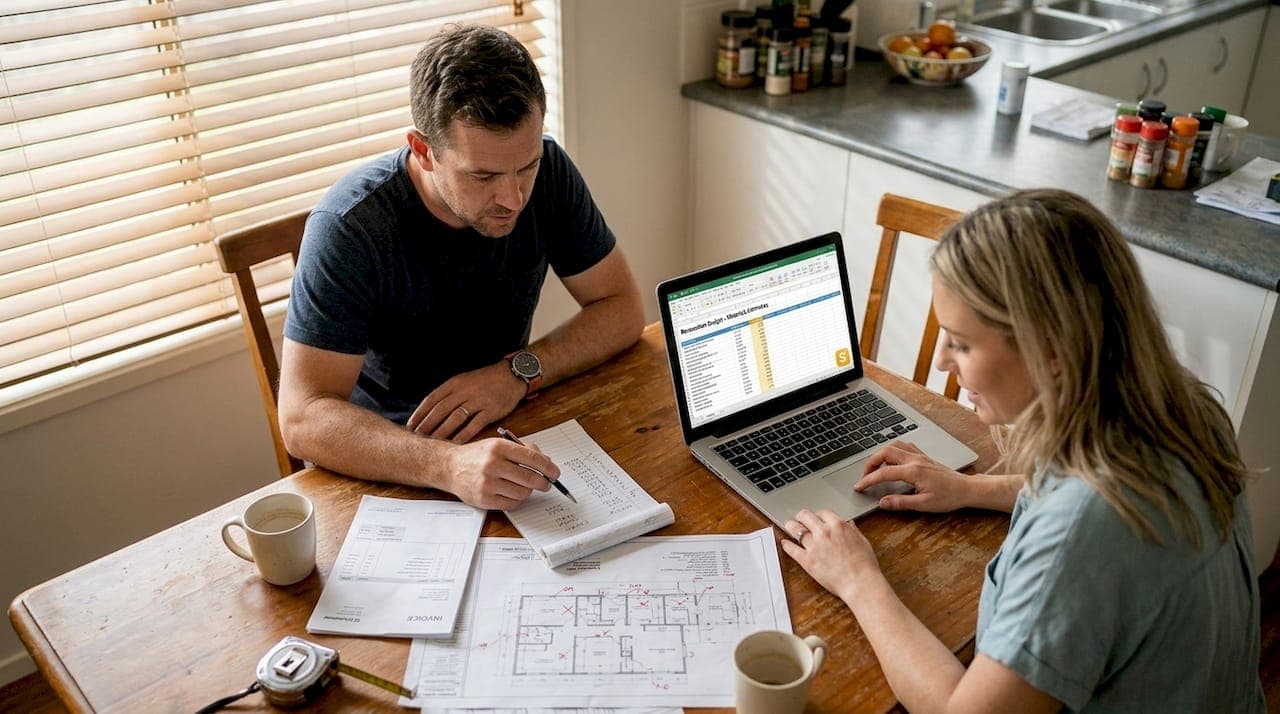
TL;DR:
- Proper planning, budgeting, and contractor vetting are essential to avoid renovation delays and overspending.
- Structured workflows, clear communication, and documentation help manage contractors and prevent costly mistakes.
- Using project management tools and building contingency funds ensure smoother, on-time renovation progress.
Home renovations have a way of turning exciting plans into stressful, budget-busting ordeals. One missed step, one unvetted contractor, or one surprise behind the drywall can send your timeline and costs spiraling. The good news? Most of that chaos is preventable. A structured workflow gives you control at every stage, from the first sketch on a napkin to the final walkthrough. This guide walks you through planning, budgeting, hiring contractors, staying organized during construction, and closing out cleanly so your renovation finishes on time, on budget, and with far less stress.
Table of Contents
- Understand the stages of a successful home renovation
- Plan, budget, and avoid costly surprises
- Find and manage contractors the smart way
- Stay organized during construction and avoid costly errors
- Our take: What really makes a renovation workflow work
- Ready to simplify your renovation workflow?
- Frequently asked questions
Key Takeaways
| Point | Details |
|---|---|
| Detailed planning matters | Starting with clear goals and a thorough budget avoids most renovation surprises and overruns. |
| Vet and manage contractors | Get multiple bids, always check credentials, and set clear payment milestones and communication plans. |
| Budget for the unexpected | A 10-20% contingency fund is essential since hidden issues are common during renovations. |
| Stay organized during the build | Track tasks, adjust plans as needed, and document changes to ensure timely, high-quality results. |
| Use digital tools for efficiency | Apps and scheduling services help keep your project on track and reduce stress. |
Understand the stages of a successful home renovation
Before you swing a single hammer, you need a clear picture of what a renovation actually involves. Most homeowners underestimate how many moving parts there are. A standard workflow includes planning, budgeting, design, hiring, construction, and inspection, and skipping or rushing any one of them creates problems downstream.
Here is how the main phases break down:
- Planning: Define your goals, assess your space, and prioritize which rooms or systems need work.
- Budgeting: Set a realistic number, research costs, and build in a contingency fund.
- Inspection: Hire a licensed inspector to identify structural, electrical, or plumbing issues before work begins.
- Design and permits: Finalize plans, select materials, and pull any required permits from your local municipality.
- Hiring: Vet and contract your general contractor and subcontractors.
- Demolition: Remove existing structures, fixtures, or finishes as needed.
- Construction: Rough work first, including framing, plumbing, and electrical, then insulation and drywall.
- Finishes: Flooring, cabinetry, painting, fixtures, and trim.
- Final checks: Inspections, punch list completion, and contractor sign-off.
Each phase feeds into the next. Rush the inspection and you might tear out brand-new drywall to fix a hidden plumbing issue. Skip permits and you could face fines or be forced to redo compliant work later.
| Phase | Typical duration | Key actions | Who is involved |
|---|---|---|---|
| Planning and budgeting | 2 to 4 weeks | Goal setting, cost research | Homeowner |
| Design and permits | 2 to 8 weeks | Drawings, permit filing | Designer, contractor |
| Hiring | 2 to 4 weeks | Bids, vetting, contracts | Homeowner, contractors |
| Construction | 4 to 20 weeks | All physical work | Trades, GC |
| Final checks | 1 to 2 weeks | Inspections, punch list | Inspector, contractor |
According to Harvard's remodeling research, US remodeling projects routinely overrun budgets by 20 to 30% when proper structure is missing. That is a significant number. Always build a 10 to 20% contingency into your budget from day one. You can explore the full range of types of home services you may need to coordinate, and use a detailed renovation checklist from Redfin to make sure nothing falls through the cracks.
Plan, budget, and avoid costly surprises
Careful upfront planning and budgeting is your foundation for avoiding financial headaches. The homeowners who finish on budget are almost always the ones who did the most homework before any work started.
Start by assessing what you actually need versus what you want. Walk every room, make notes, and rank projects by urgency. A leaking roof beats a kitchen upgrade every time. Once priorities are clear, research real costs using local contractor quotes and online cost estimators.
Common hidden costs that catch homeowners off guard:
- Permit fees (can range from $500 to over $5,000 depending on scope)
- Rot, mold, or asbestos discovered once walls open up
- Temporary housing or storage costs during major work
- Utility upgrades required by code
- Disposal and haul-away fees
Here is a sample cost range for common renovation projects in 2026:
| Project | Low estimate | High estimate |
|---|---|---|
| Kitchen remodel | $15,000 | $75,000 |
| Bathroom remodel | $8,000 | $35,000 |
| Full home renovation | $100,000 | $500,000+ |
| Basement finish | $20,000 | $60,000 |
Warning: Over 65% of renovation projects encounter unforeseen structural issues. Plan for the unexpected or it will plan for you.
Using project management tools helps you avoid the 20 to 30% overruns that plague unstructured projects. A simple spreadsheet tracking line items, payment schedules, and milestones can make a huge difference. A 20% budget buffer is considered essential by most renovation experts, not optional.

Pro Tip: Use a free renovation tracking app or a shared Google Sheet with your contractor to log every expense and milestone in real time. It takes five minutes a day and saves hours of confusion later.
You can also save hours with smart routines by building consistent check-in habits from the start. And when it comes to booking trades, a solid service booking workflow keeps everything organized in one place. Check remodeling market benchmarks to validate your cost estimates before finalizing your budget.
Find and manage contractors the smart way
With your plan and budget in place, finding great contractors and managing the process is where most homeowners stumble. This stage requires patience, diligence, and a willingness to walk away from a bad fit.
Steps to vet and hire the right contractor:
- Ask for referrals from neighbors, friends, or your local hardware store.
- Get 3 to 5 bids with full itemized breakdowns, not just a total number.
- Verify licensing, insurance, and at least three recent references for each candidate.
- Review their past work in person if possible.
- Sign a detailed written contract that covers scope, timeline, payment schedule, and change order procedures.
Set up a single point of contact on both sides. You talk to the general contractor; the general contractor talks to the subs. This prevents miscommunication and keeps accountability clear.
Red flags to watch for:
- Asking for more than 10% upfront before any work begins
- No physical business address or verifiable license number
- Pressure to decide immediately or skip the permit process
- Vague or verbal-only agreements
- Unusually low bids with no explanation
Always require written contracts, signed change orders for any scope additions, and current proof of insurance before a single tool enters your home.
Pro Tip: Never pay more than 10% upfront. Structure payments around completed milestones, such as framing done, rough plumbing passed inspection, and finishes complete. This protects your money and keeps the contractor motivated.
A master schedule and trade sequencing are critical to keeping multiple contractors from tripping over each other. Electricians need to rough in before drywall goes up. Tile setters need floors level before they start. Sequence matters. Learn more about scheduling services for home maintenance and how scheduling apps can streamline the coordination of multiple trades. For deeper guidance, review these contractor management tips before you start hiring.
Stay organized during construction and avoid costly errors
Once building begins, organization and flexibility are your allies. The construction phase is where well-laid plans either hold together or fall apart.
Weekly habits that keep your project on track:
- Walk the site daily and take dated photos of every stage
- Maintain a written punch list and update it after each visit
- Ask for a brief daily update from your contractor, even a text message works
- Log every change, verbal or written, in a dedicated project notebook
- Keep copies of all permits, contracts, and invoices in one folder
Daily communication and strict trade sequencing are the two biggest factors in reducing costly mistakes and delays. When you know what is happening each day, you catch problems early.
Pro Tip: Use a free project management app like Buildertrend or even Trello to track your schedule, upload photos, and manage your punch list. Digital records are far easier to reference than scattered text messages.
Watch for scope creep, which is when small additions quietly balloon your budget and timeline. Every change, no matter how minor, should go through a formal change order. Permit delays, unexpected structural issues, and weather can all push timelines out. Build buffer weeks into your schedule, not just buffer dollars into your budget.
If you are living in the home during construction, set up dust barriers between work zones and living areas. A temporary kitchen setup with a microwave, mini fridge, and electric burner makes life manageable during a kitchen remodel. Review common renovation mistakes to avoid so you are not learning those lessons the hard way. These organization tips for renovations and tools to manage appointments efficiently will help you stay in control from start to finish.
Our take: What really makes a renovation workflow work
Here is the honest truth most renovation guides skip: the majority of blown budgets and missed deadlines are not caused by DIY mistakes or bad luck. They are caused by communication breakdowns and the absence of a real contingency plan.
Homeowners who succeed treat daily micro-coordination as non-negotiable. A five-minute check-in with your contractor each morning catches a problem before it becomes a $5,000 mistake. Clear accountability, meaning everyone knows who owns each decision, eliminates the gray areas where delays hide.
Another myth worth challenging: the most expensive contractor is not automatically the best one. Detailed planning and a well-structured contract outperform a premium price tag every single time. We have seen budget-friendly contractors deliver flawless results because the homeowner came prepared with clear specs, a realistic schedule, and a written agreement.
Document everything. Photograph every wall before it closes up, every pipe before it gets covered, every floor before the subfloor goes down. These photos have saved homeowners thousands when disputes arise. Building the habit of streamlining household tasks into your renovation routine is what separates a smooth project from a painful one.
Ready to simplify your renovation workflow?
If the steps above feel like a lot to manage on your own, you are not alone. Most homeowners are not project managers, and that is completely fine.

At Simple Service App, we act as your personal home agent, handling the coordination, booking, and management of your home services so you do not have to juggle it all yourself. Whether you need help finding vetted contractors, organizing your schedule, or keeping your project moving, we bring everything together in one place. Streamline your renovation process with our network of contracting consultants, or explore how to simplify your booking workflow and take the guesswork out of your next project.
Frequently asked questions
What is the most important first step in a home renovation workflow?
Thorough planning comes first. Set clear goals, prioritize your rooms, and build a realistic budget with a contingency fund before any contractor sets foot in your home.
How many contractor bids should I get before starting?
You should get 3 to 5 bids and verify the license, insurance, and references of every contractor before making a decision.
How much contingency should I set aside for renovation surprises?
Industry experts recommend a 10 to 20% contingency fund on top of your base budget to cover unexpected expenses like structural repairs or permit changes.
Can I hire different subcontractors myself instead of a general contractor?
Yes, but managing multiple contractors yourself requires significant time, scheduling skill, and risk tolerance. A general contractor typically charges 10 to 20% to handle that coordination for you.
What if my renovation runs behind schedule?
Review your daily schedule with your contractor, identify the bottleneck, and adjust milestones right away. Digital project management tools make it much easier to spot delays before they compound.