
TL;DR:
- Regular gutter cleaning can prevent costly water damage and mold.
- Pruning trees and shrubs away from the house reduces storm and pest risks.
- Consistent monthly home maintenance helps prevent larger problems and saves money.
Summer is the season when your home works hardest and takes the most punishment. Intense heat warps wood, heavy rains clog gutters, and overgrown trees become battering rams in storms. Skipping seasonal upkeep doesn't just look bad — it quietly drains your wallet. Repairs from water damage alone can run thousands of dollars when simple prevention costs a fraction of that. This checklist walks you through four critical summer maintenance areas: gutters, trees and shrubs, outdoor structures, and pest control. Follow it and you'll head into fall with a safer, more efficient home and far fewer surprises.
Table of Contents
- Inspect and clean gutters
- Prune trees and shrubs near the house
- Deck, fence, and outdoor structure inspection
- Perimeter pest inspection
- A smarter approach to seasonal maintenance
- Simplify your summer with smart home management
- Frequently asked questions
Key Takeaways
| Point | Details |
|---|---|
| Gutter care prevents damage | Regular gutter cleaning is essential to avoid costly water problems around your house. |
| Pruning boosts safety | Trim trees and shrubs to protect your home from storms and keep pests at bay. |
| Deck maintenance saves money | Annual inspection and sealing can prevent expensive repairs and extend outdoor life. |
| Pest prevention is proactive | Routine perimeter checks and sealing cracks keep pests out and maintain household comfort. |
| Use smart scheduling tools | Digital reminders and home management apps simplify checklists and upkeep year-round. |
Inspect and clean gutters
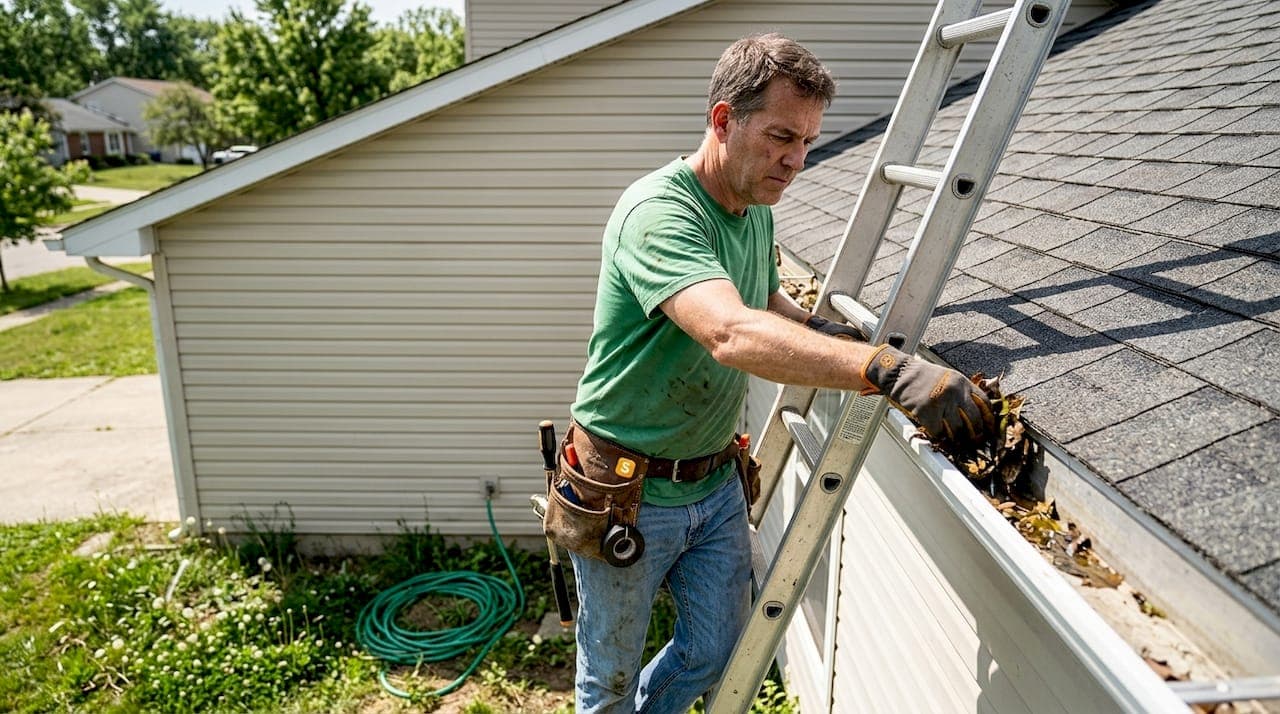
Your gutters are the first line of defense against water damage. When they clog, rainwater backs up, seeps under shingles, and works its way into your walls and foundation. Summer storms can dump inches of rain in minutes, and a blocked gutter turns that rain into a direct threat to your home.
According to summer gutter cleaning advice, you should inspect and clean gutters to prevent water damage and mold from clogs. That's not just a seasonal suggestion — it's one of the highest-return maintenance tasks you can do.
Signs your gutters need attention:
- Water stains or streaks on your siding below the gutter line
- Sagging sections pulling away from the roofline
- Plants growing inside the gutter channel
- Pooling water near your foundation after rain
- Visible debris like leaves, twigs, or shingle granules
For safe DIY cleaning, use a sturdy ladder with a stabilizer, wear gloves, and scoop debris into a bucket rather than letting it fall. Flush the gutters with a garden hose from the far end toward the downspout. If water pools instead of flowing, your downspout is blocked. Use a plumber's snake or a strong burst of water to clear it.
Pair your gutter check with a broader spring cleaning checklist so nothing falls through the cracks between seasons. And if you want a system that keeps you on track year-round, setting up service reminders for home upkeep is one of the smartest habits you can build.
"Clogged gutters are one of the most preventable causes of serious home water damage. A 30-minute cleaning session twice a year can save you tens of thousands in repairs."
Pro Tip: Install gutter guards after cleaning. Mesh or micro-filter guards dramatically reduce debris buildup and cut your cleaning frequency in half. They're especially worth it if you have large trees overhanging your roof.
Aim to inspect gutters at least twice a year, once in late spring and once in early fall. But after any major summer storm, do a quick visual check from the ground. Catching a sag or blockage early is always cheaper than fixing the damage it causes.
Prune trees and shrubs near the house
With gutters clear, shift focus to yard maintenance and protecting your home's exterior from summer storms. Overgrown branches aren't just an eyesore — they're a liability. A single summer storm can send a heavy limb crashing through a roof or window. And branches that touch your siding create a highway for ants, termites, and other pests to enter your home.

Experts recommend that you prune trees and shrubs away from the house to prevent pest entry and storm damage. The general rule is to keep all branches at least six feet from your roofline and three feet from your siding.
How to identify what needs pruning:
- Branches that touch or overhang the roof
- Shrubs pressed against the foundation or siding
- Dead or cracked limbs that could snap in wind
- Dense canopy blocking airflow and trapping moisture against the house
- Vines climbing exterior walls or window frames
For DIY pruning, use sharp bypass pruners for stems under an inch thick and a pruning saw for larger branches. Always cut just outside the branch collar (the swollen area where the branch meets the trunk) to encourage proper healing. Never remove more than 25% of a tree's canopy in one season.
| Task | DIY friendly | Call a pro |
|---|---|---|
| Trim shrubs and hedges | Yes | No |
| Remove branches under 2 inches | Yes | No |
| Cut branches over the roofline | No | Yes |
| Remove dead or diseased limbs | Sometimes | Recommended |
| Full tree removal | No | Yes |
For larger jobs, look into professional tree and shrub services to get the work done safely. And when it comes to timing those appointments, scheduling pruning appointments in advance keeps you ahead of storm season instead of reacting to it.
Pro Tip: After any significant summer storm, do a walk-around to check for newly cracked or hanging branches. These "widow makers" are extremely dangerous and need to be removed immediately, before the next storm finishes the job.
Late spring through early summer is the sweet spot for most pruning. Trees are actively growing, wounds heal faster, and you can clearly see which branches are dead versus just slow to leaf out.
Deck, fence, and outdoor structure inspection
With your landscaping secure, it's time to make sure outdoor living spaces are safe and ready for high summer traffic. Your deck and fence take a beating every season. UV rays bleach and dry out wood, moisture causes rot, and freeze-thaw cycles loosen fasteners. By summer, the damage from the previous year is fully visible and needs to be addressed before things get worse.
The guidance is clear: inspect deck and fence for loose boards, rot, and seal wood decks to prevent cracking. Skipping this step is how a $300 sealing job turns into a $3,000 board replacement.
Step-by-step deck inspection:
- Walk the entire deck and feel for soft or spongy spots underfoot — these signal rot.
- Grab each railing post and shake it firmly. Any wobble means the connection needs reinforcement.
- Check all screws and nails. Raised fasteners are a tripping hazard and a sign of wood movement.
- Look under the deck at the ledger board (where the deck connects to the house). This is the most rot-prone spot.
- Test the wood surface with a water drop. If water soaks in instead of beading up, it's time to seal.
| Approach | Cost estimate | Best for |
|---|---|---|
| DIY sealing | $50 to $150 | Small decks, good condition |
| Professional sealing | $250 to $800 | Large decks, heavy weathering |
| DIY board replacement | $100 to $400 | Minor rot, handy homeowners |
| Full professional repair | $500 to $2,500 | Structural issues, large damage |
For fences, check post bases for rot at ground level, test gate hinges and latches, and look for leaning sections that may need re-setting. Wood fences should be sealed or stained every two to three years.
Staying on top of these tasks is much easier when you're managing outdoor maintenance appointments in one place. For a broader look at keeping everything organized, these service management tips are worth bookmarking.
Perimeter pest inspection
After confirming your outdoor structures are secure, protect your home's perimeter from unwanted summer guests. Warm weather brings insects and rodents out in force, and they're actively looking for entry points into your home. The good news is that a simple monthly walk-around can catch most problems before they become infestations.
A solid starting point is to conduct a pest inspection around perimeter and seal cracks to prevent entry. Most pests don't need much space — a gap the width of a pencil is enough for ants, and a quarter-inch opening can let mice in.
Critical areas to check:
- Foundation cracks and gaps where pipes or cables enter the house
- Gaps around window and door frames, especially where caulk has shrunk or cracked
- Crawl space vents and attic vents (check for damaged screens)
- Where the siding meets the foundation
- Wood piles, mulch beds, and debris stored against the house
For quick DIY sealing, use exterior-grade caulk for gaps under a quarter inch and expanding foam for larger openings. Steel wool stuffed into gaps before caulking adds an extra barrier against rodents, who can chew through foam alone.
Pro Tip: Walk your perimeter on the first of every month during summer. It takes less than 10 minutes and keeps small problems from becoming expensive ones. Use your phone's notes app to photo-document anything suspicious so you can track changes over time.
Good home management tips can help you build this habit into your regular routine. And if you want a system that handles the scheduling side automatically, streamlining pest control routines with smart reminders makes it nearly effortless.
If you spot active signs of infestation — droppings, chewed materials, mud tubes from termites — skip the DIY and call a licensed pest control professional. Early intervention is always cheaper than treating a full-blown infestation.
A smarter approach to seasonal maintenance
Here's something most maintenance articles won't tell you: the checklist isn't the hard part. Following through is. Most homeowners start strong in spring, lose momentum by July, and find themselves scrambling in September when something breaks.
The real shift happens when you stop thinking in seasons and start thinking in monthly habits. HVAC experts stress monthly filter checks over general seasonal cleaning, and the same logic applies everywhere. Small, consistent actions beat big, infrequent ones every time.
One master checklist beats scattered sticky notes and forgotten reminders. We've seen homeowners save hundreds of dollars simply by catching problems early because they had a system. Digital tools make this easier than ever. Setting up a structured annual maintenance schedule means you're never guessing what needs attention or when.
Pro Tip: Use your phone's calendar to set recurring monthly reminders for your perimeter walk, filter check, and gutter visual inspection. Three reminders, less than 20 minutes of total effort, and your home stays in far better shape year-round.
The homeowners who stress the least about their properties aren't the ones with the newest homes. They're the ones with the best systems.
Simplify your summer with smart home management
Keeping up with all of these tasks sounds manageable until real life gets in the way. That's where having the right tools changes everything.

At Simple Service App, we act as your personal home agent, handling the scheduling, negotiating, and coordination of your home services so you don't have to juggle it all yourself. From booking a gutter cleaning to setting up a pest inspection, our network of contracting consultants manages it all from one place. If you're ready to take the stress out of home maintenance scheduling, start by exploring how our home service booking workflow makes the whole process faster and simpler.
Frequently asked questions
What is the most important summer maintenance task for homeowners?
Cleaning gutters is consistently ranked as one of the most critical tasks because blocked gutters lead directly to water damage, mold, and foundation issues. It's low cost and high impact.
How often should I check my home for pests during summer?
Monthly perimeter inspections and sealing any new cracks are recommended to stay ahead of infestations before they take hold.
When is the best time to prune trees and shrubs?
Late spring through early summer is ideal, as active growth helps wounds heal faster and you can more easily spot dead or damaged branches that pose storm risks.
Should I seal my wood deck every summer?
Inspect annually and seal wood decks as needed, particularly after harsh winters or heavy summer use, since waiting too long turns a simple sealing job into a full repair.