
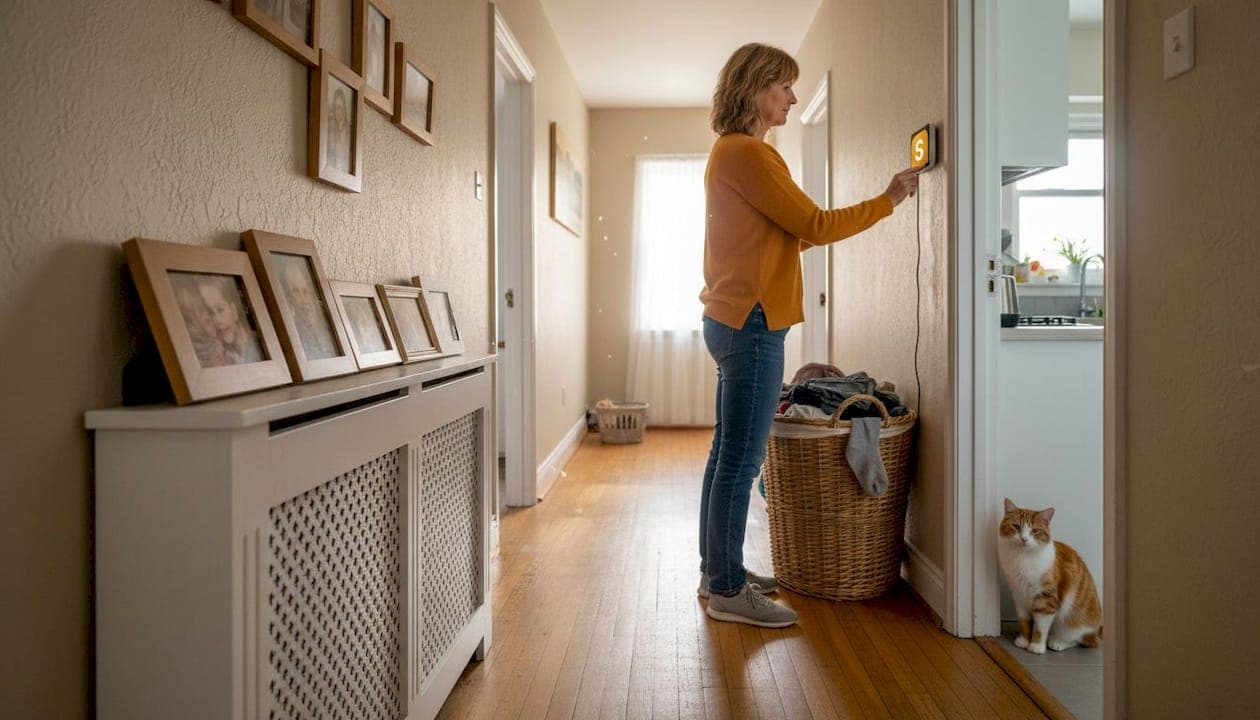
The typical U.S. family spends nearly $2,000 per year on home energy bills. That is not a small number, and the frustrating part is that a large chunk of it is completely avoidable. With the right combination of thermostat habits, sealing strategies, smarter appliances, and a few easy DIY fixes, most homeowners can shave hundreds off their annual bill without a major renovation. This article walks you through the most effective, research-backed moves you can make right now, ranked by impact and ease.
Table of Contents
- Set smart thermostat temperatures year-round
- Seal air leaks and upgrade insulation for lasting impact
- Upgrade to ENERGY STAR products for major savings
- Target water heating: settings, insulation, and upgrades
- Cut phantom power: tackle standby and hidden loads
- Bonus efficiency strategies for every room
- Take the next step: simplify your home efficiency with smart tools
- Frequently asked questions
Key Takeaways
| Point | Details |
|---|---|
| Smart thermostat settings | Optimizing your thermostat can cut heating and cooling bills by a large margin. |
| Air sealing before insulation | Sealing leaks first saves more than insulation alone and prevents wasted heat. |
| Energy-efficient appliances | Swapping for ENERGY STAR products slashes yearly bills up to 30 percent. |
| Water heater adjustments | Lowering settings and adding insulation offers quick savings with little effort. |
| Eliminate phantom power | Unplug devices or use smart strips to prevent $165 or more in yearly losses. |
Set smart thermostat temperatures year-round
Heating and cooling your home is the single biggest line item on your energy bill. In fact, up to 50% of household energy goes straight to climate control. That means getting your thermostat settings right is the fastest lever you have.
The EPA recommends a clear, simple framework. In winter, set 68°F daytime and 60°F nighttime, and in summer, keep it at 78°F when you are home and 85°F when you are away. These numbers are not arbitrary. They represent the sweet spot between comfort and efficiency.
Here is what smart thermostat management looks like in practice:
- Winter: 68°F while awake and active, 60°F while sleeping or away
- Summer: 78°F when home, 85°F when out, and use ceiling fans to feel cooler without dropping the temperature
- Transition seasons: Let natural ventilation do the work before switching on the HVAC
- Programmable schedules: Set your thermostat to adjust automatically so you never forget
Stat to know: Heating and cooling eat up half your energy bill. Dialing back just a few degrees consistently can save you $50 to $150 per year.
Pro Tip: If you have a programmable or smart thermostat, spend 10 minutes setting a weekly schedule based on when your household wakes up, leaves, and returns. You will never have to think about it again, and the savings stack up automatically. Staying on top of these habits is one of the easiest ways to save money on home upkeep over the long run.
Seal air leaks and upgrade insulation for lasting impact
Once your thermostat is dialed in, the next question is: where is all that conditioned air going? Air leaks are sneaky. They bleed your heating and cooling dollars out through gaps you cannot always see, and they carry 2 to 5 times more heat than conduction through walls. Sealing them is one of the most cost-effective upgrades available, cutting heating and cooling costs by 15% or more.
Here is the right order of operations for air sealing:
- Start with the attic. Hot air rises, and the attic is where most homes lose the most energy. Seal gaps around light fixtures, pipes, and framing before adding insulation.
- Move to rim joists. These are the boards that sit on top of your foundation walls. They are often uninsulated and full of gaps.
- Check ducts. Leaky ducts can waste 20 to 30% of your conditioned air before it even reaches a room.
- Tackle doors and windows. Weatherstripping and caulk are cheap, fast, and effective for medium-sized gaps.
- Address outlets and switches on exterior walls. Foam gaskets behind outlet covers cost less than a dollar each and take two minutes to install.
"Air sealing and insulation are the most cost-effective improvements you can make, reducing heating and cooling costs by 15% or more." — ENERGY STAR
For complex jobs like duct sealing or HVAC work, professional help is worth it. A blower door test, where a technician pressurizes your home to find hidden leaks, is a smart investment if you suspect major losses. You can explore the full range of types of home services available to help with these projects.
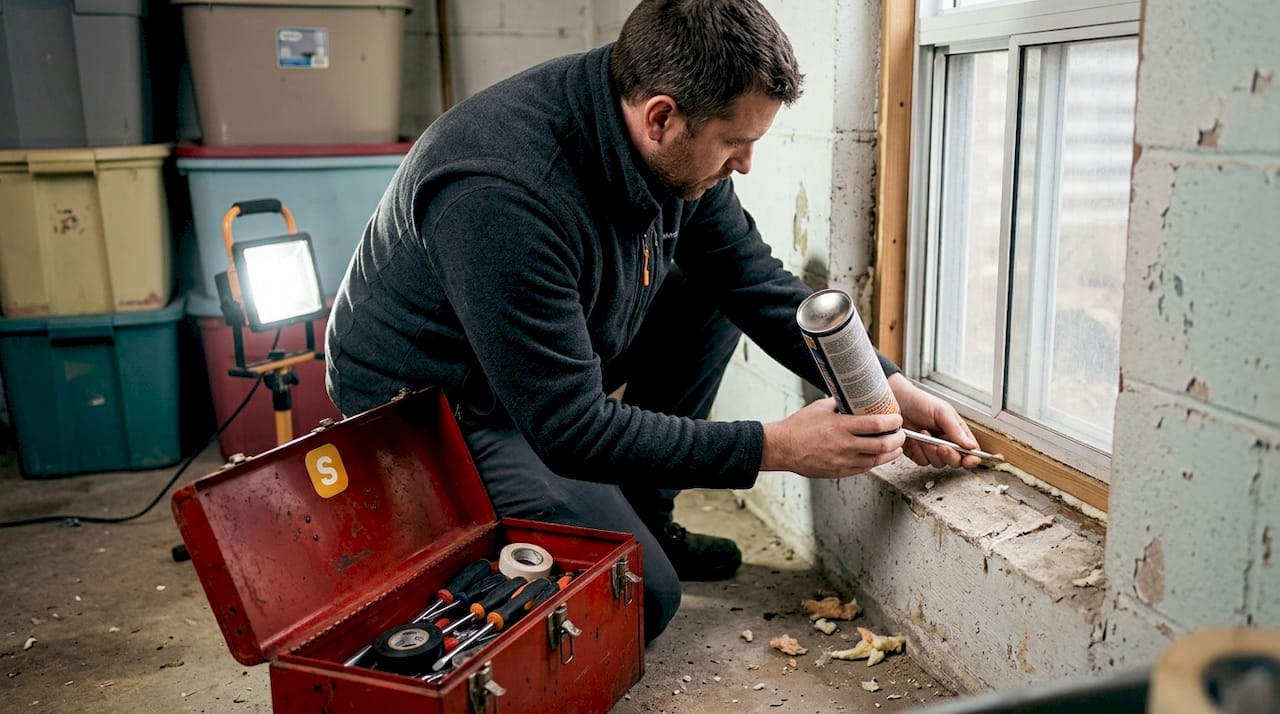
Pro Tip: After sealing your home tightly, make sure you have adequate ventilation. A well-sealed home needs controlled fresh air exchange to stay healthy and comfortable.
Upgrade to ENERGY STAR products for major savings
Once your home's thermal envelope is solid, the next move is upgrading what is inside it. ENERGY STAR certified appliances and lighting can reduce your energy bill by up to 30% on appliances and up to 40% on lighting. Those are not small numbers.
Here is a quick comparison to put it in perspective:
| Product type | Standard model | ENERGY STAR model | Estimated annual savings |
|---|---|---|---|
| Refrigerator | $80/year | $50/year | ~$30 |
| Clothes washer | $110/year | $75/year | ~$35 |
| LED bulb vs. incandescent | $7/year per bulb | $1.50/year per bulb | ~$5.50 per bulb |
| Central AC | $400/year | $280/year | ~$120 |
CFLs and LEDs are a standout win. CFLs save 75% energy over incandescents, and LEDs do even better. With the average monthly energy bill sitting at $136.84, swapping out bulbs in your most-used rooms is one of the fastest payback moves you can make.
Where to start:
- Refrigerator: Runs 24/7, so efficiency matters more here than almost anywhere else
- Clothes washer: ENERGY STAR models also use significantly less water
- Lighting: Replace bulbs in the kitchen, living room, and any fixture that runs more than 3 hours a day
- Look for the label: When any appliance dies, replace it with an ENERGY STAR certified model as a default rule
For more ideas on keeping your home running efficiently, check out these home management tips and home organization tips that make it easier to stay on top of upgrades.
Target water heating: settings, insulation, and upgrades
Water heating is one of those costs that hides in plain sight. It accounts for a significant share of your home's total energy use, yet most homeowners never touch their water heater settings after installation.
Here is what the data says you should do:
- Lower the temperature to 120°F. Most water heaters ship set to 140°F. Dropping it to 120°F can save 6 to 10% on your water heating costs, and it also reduces the risk of scalding.
- Insulate the tank. A water heater blanket costs around $20 to $30 and can reduce heat loss by 25 to 40%, paying for itself in about a year.
- Insulate the first 6 feet of hot water pipes. This keeps water hotter as it travels to your faucets, so you run the tap less before hot water arrives.
| Action | Cost | Annual savings | Payback period |
|---|---|---|---|
| Lower temp to 120°F | Free | $15 to $30 | Immediate |
| Tank insulation blanket | $20 to $30 | $20 to $45 | Under 1 year |
| Pipe insulation | $10 to $20 | $10 to $20 | 1 year |
| Upgrade to heat pump water heater | $800 to $1,500 | $200 to $400 | 3 to 5 years |
Pro Tip: Before you buy a tank blanket, check your water heater's label. If it already has an insulation value (R-value) of 24 or higher, a blanket will not add much. Older units with thin insulation benefit the most. Your spring cleaning checklist is a great time to add a water heater check to your routine.
Cut phantom power: tackle standby and hidden loads
Phantom power, also called standby power, is the electricity your devices consume even when you think they are off. Your TV, game console, coffee maker, and phone charger are all quietly drawing power around the clock. Across a typical U.S. household, standby loads cost up to $165 per year, representing 5 to 10% of your total electric bill.
Stat to know: The average U.S. home wastes $165 every year on devices that are not even in use. That is money you can reclaim with almost zero effort.
Here is how to eliminate phantom power systematically:
- Audit your biggest offenders. Old TVs, gaming consoles, desktop computers, and cable boxes are the worst culprits. A smart power meter (under $25) can show you exactly what each device draws.
- Use smart power strips. Plug your entertainment center into a smart strip that cuts power to peripheral devices when the main TV turns off.
- Unplug chargers when not in use. A phone charger left plugged in with nothing attached still draws a small current all day.
- Enable power management settings. Set computers and monitors to sleep after 10 minutes of inactivity.
- Create a nightly routine. A quick walk-through before bed to flip off power strips takes 60 seconds and saves real money.
Building these habits into your daily routine is easier when you have a system. Learn how to streamline household tasks with smart routines that keep energy waste from creeping back up.
Bonus efficiency strategies for every room
The big five strategies above will do the heavy lifting. But there are plenty of smaller moves that add up fast, especially when you build them into seasonal routines.
- Kitchen: Run the dishwasher only when full, use the air-dry setting, and match pot size to burner size on the stove
- Laundry: Wash clothes in cold water (it works just as well for most loads and saves significant energy), and clean the dryer lint trap before every load
- Living room: Use blackout curtains in summer to block solar heat gain, and open them in winter to let sunlight warm the room naturally
- Bathroom: Low-flow showerheads reduce hot water use without sacrificing pressure
- Garage and basement: These are often the leakiest parts of a home. Check for gaps around pipes, wires, and the garage door seal
According to the Department of Energy, DIY projects like caulking leaks, weatherstripping, and insulating pipes offer quick payback, while duct sealing and HVAC work are better left to professionals.
Pro Tip: Set seasonal reminders for your biggest energy tasks. Check weatherstripping before winter, clean AC filters before summer, and inspect your attic insulation every two years. Good home maintenance scheduling is what separates homeowners who save consistently from those who pay more every year.
When you are ready to bring in a pro, knowing how to manage appointments efficiently saves time and stress. A solid service management guide can help you stay organized across every contractor and project.
Take the next step: simplify your home efficiency with smart tools
Knowing what to do is half the battle. The other half is actually staying on top of it, season after season, year after year. That is where most homeowners fall short, not because they do not care, but because life gets busy and reminders slip through the cracks.

At Simple Service App, we act as your personal home agent. Our network of contracting consultants handles the negotiating, booking, and managing of your home services, all from one place. Whether you need to schedule an HVAC tune-up before summer, find someone to seal your ducts, or set reminders for seasonal efficiency checks, we make it effortless. Stop letting energy savings fall off your to-do list. Let us help you turn these tips into a system that runs on autopilot.
Frequently asked questions
What are the most cost-effective energy efficiency upgrades for homeowners?
Air sealing and insulation typically offer the best cost-to-savings ratio, cutting heating and cooling costs by 15% or more. They are the first upgrades most energy auditors recommend.
How much can I save by changing my thermostat settings?
Since climate control uses up to 50% of a home's energy, following the EPA's recommended settings of 68°F in winter and 78°F in summer can meaningfully cut your bill. Even a few degrees of consistent adjustment adds up to real savings over a full year.
Are there easy DIY projects for improving home energy efficiency?
Yes. Caulking leaks, weatherstripping, insulating water heaters and pipes, and switching to ENERGY STAR lighting are all beginner-friendly projects with fast payback periods.
How much does phantom power actually cost me per year?
Standby power costs the average U.S. household up to $165 per year, which equals 5 to 10% of total electricity use. Smart power strips and unplugging idle devices are the fastest fixes.